
Step-by-Step Guide to Building a House in Eswatini (From Land to Completion)
Building a house is one of the biggest investments a person can make. In Eswatini, the process involves several important stages including purchasing land, designing the house, getting council approval, and completing construction. Understanding each step helps homeowners avoid delays, reduce costs, and ensure the project runs smoothly. This guide explains the full step-by-step process of building a house in Eswatini, from buying land to moving into your completed home.
Step 1: Buying Land
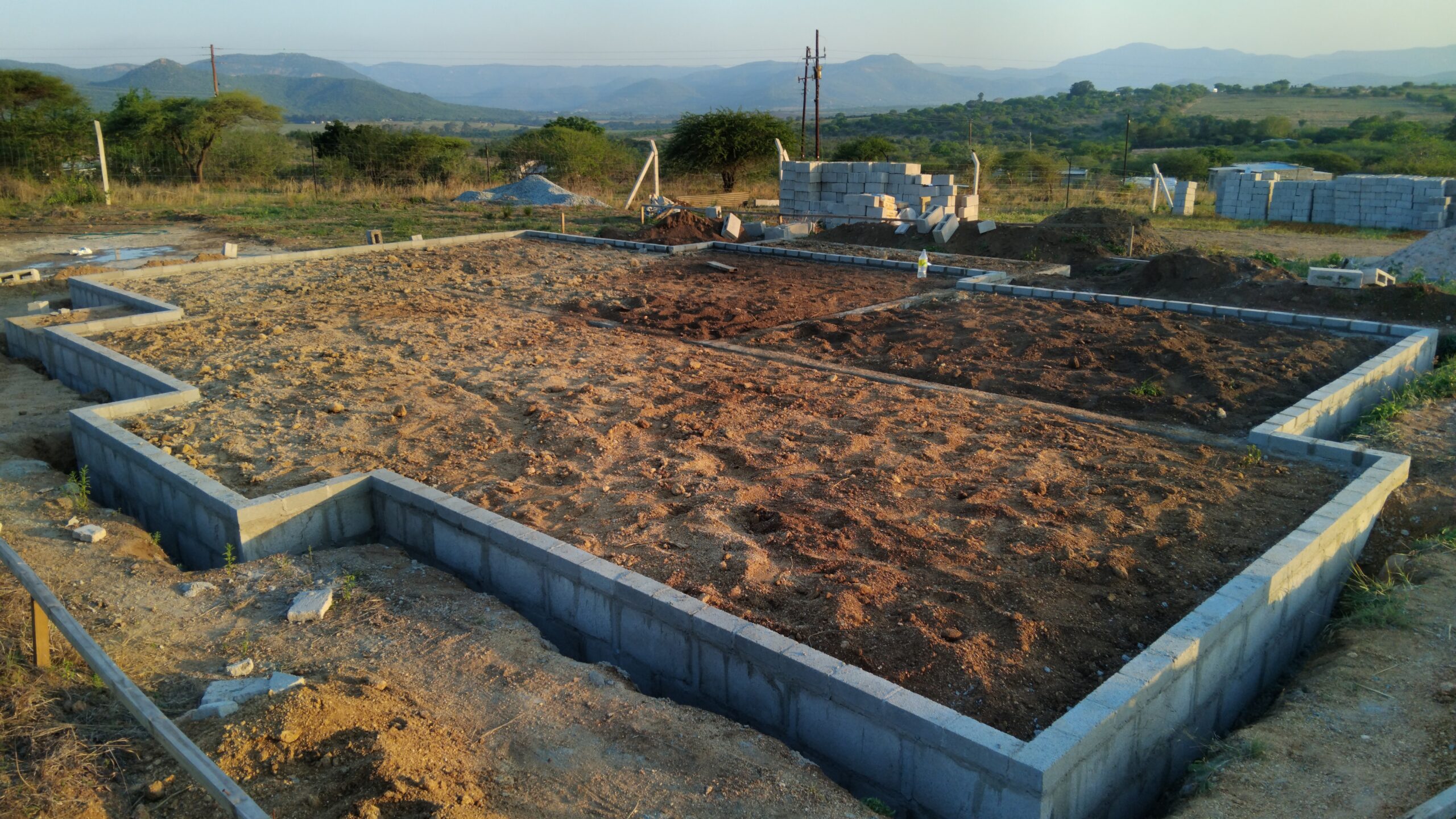
The first step when building a house is securing land where the house will be constructed. In Eswatini, land can be purchased in urban areas, peri-urban areas, or rural communities.
Before buying land, it is important to confirm that the property has legal documentation and is suitable for residential construction. In urban areas, the land must be registered and serviced with roads, water supply, and electricity.
It is also important to check zoning regulations because different areas allow different types of housing density and building styles.
- Verify land ownership documents
- Check zoning regulations
- Confirm availability of services
- Ensure road access to the property

Step 2: Planning Your House Design
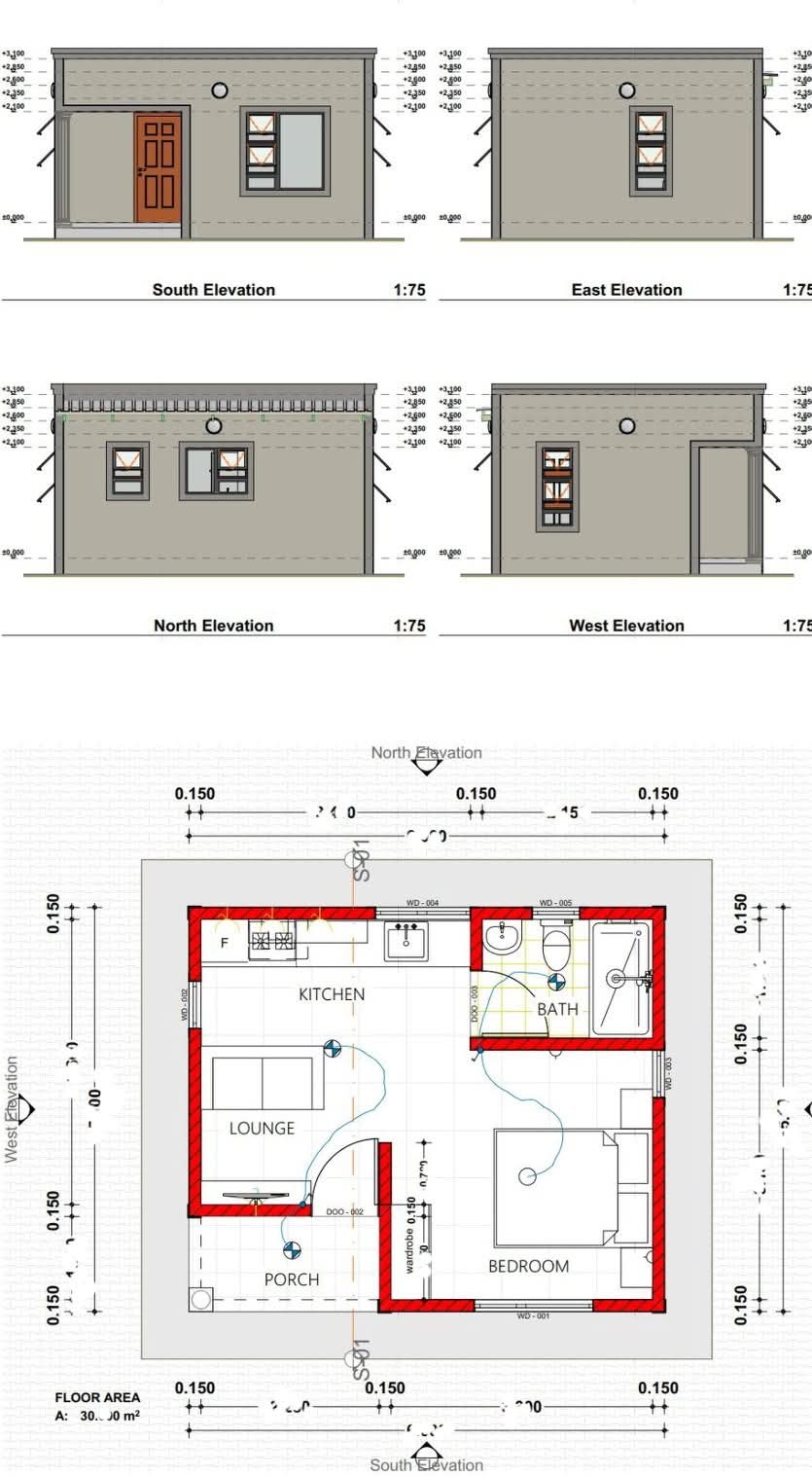
Once land has been secured, the next step is designing the house. This is usually done by an architect or building designer who prepares architectural drawings and floor plans.
The design should consider factors such as the size of the land, the number of bedrooms required, the homeowner’s lifestyle, and future expansion possibilities.
A good house design also improves ventilation, natural lighting, and energy efficiency.
- Choose number of bedrooms and bathrooms
- Plan kitchen and living areas
- Include parking or garage space
- Consider outdoor areas like patios
Step 3: Getting Building Plan Approval
Before construction can begin, the house plans must be submitted to the local council for approval. This ensures the building complies with zoning rules, safety regulations, and environmental requirements.
The approval process may involve the following authorities:
- Local Municipal Council
- Town Planning Department
- Structural engineer review
- Environmental considerations
Once approved, the homeowner receives official permission to begin construction.
Step 4: Preparing the Construction Budget
A detailed construction budget helps homeowners understand the full cost of the building project. Costs usually include materials, labor, professional fees, and utility installations.
A typical construction budget may include:
- Foundation and concrete work
- Brickwork and structural walls
- Roof structure and roofing sheets
- Electrical installation
- Plumbing installation
- Interior finishes
- Doors and windows
Preparing a proper budget helps avoid financial problems during the construction process.
Step 5: Site Preparation
Before building starts, the construction site must be prepared. This includes clearing vegetation, leveling the ground, and marking the building layout using survey measurements.
Site preparation ensures that the foundation is built on stable ground and that the building is positioned correctly according to the approved plans.
- Land clearing
- Excavation for foundations
- Setting out building measurements
- Delivering initial building materials
Step 6: Building the Foundation
The foundation is one of the most important parts of the house because it supports the entire structure. A strong foundation prevents structural damage and ensures the building remains stable over time.
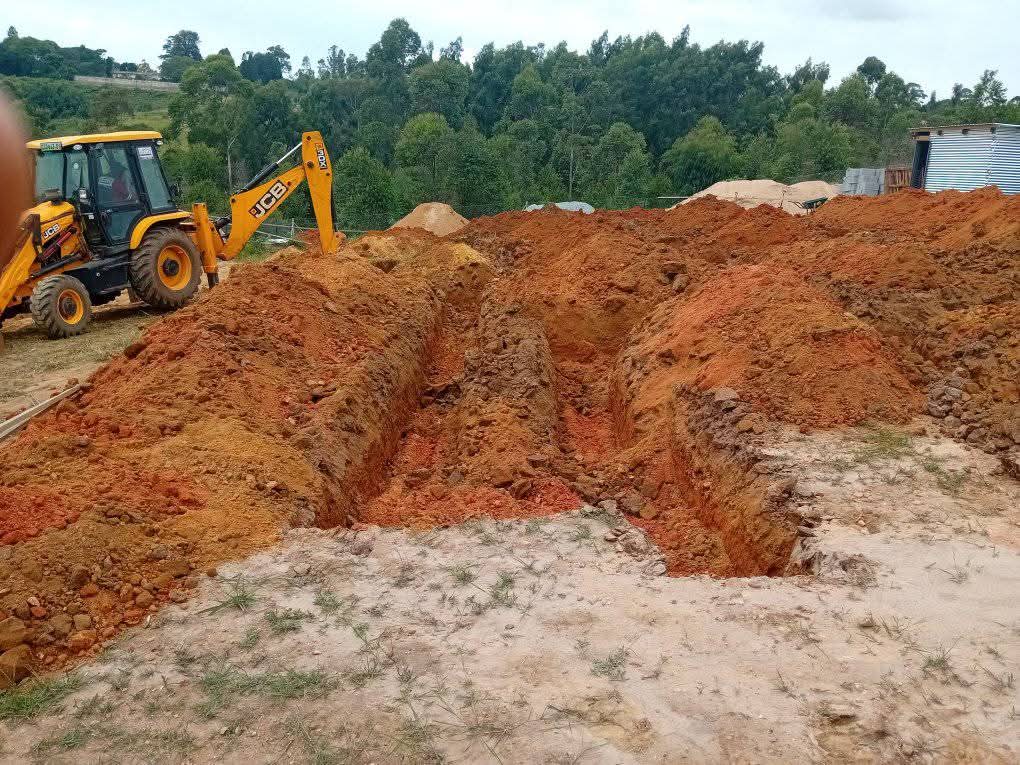
Foundation construction usually involves digging trenches, placing reinforcement steel, and pouring concrete to form a strong base for the walls.
Depending on soil conditions, different types of foundations may be used such as strip foundations or raft foundations.
Step 7: Wall Construction
After the foundation has been completed, builders begin constructing the walls using bricks or concrete blocks. Walls define the rooms of the house and support the roof structure.
During this stage, builders also install door frames and window frames according to the architectural design.
Proper bricklaying ensures the walls are strong, straight, and properly aligned.
Step 8: Roof Installation
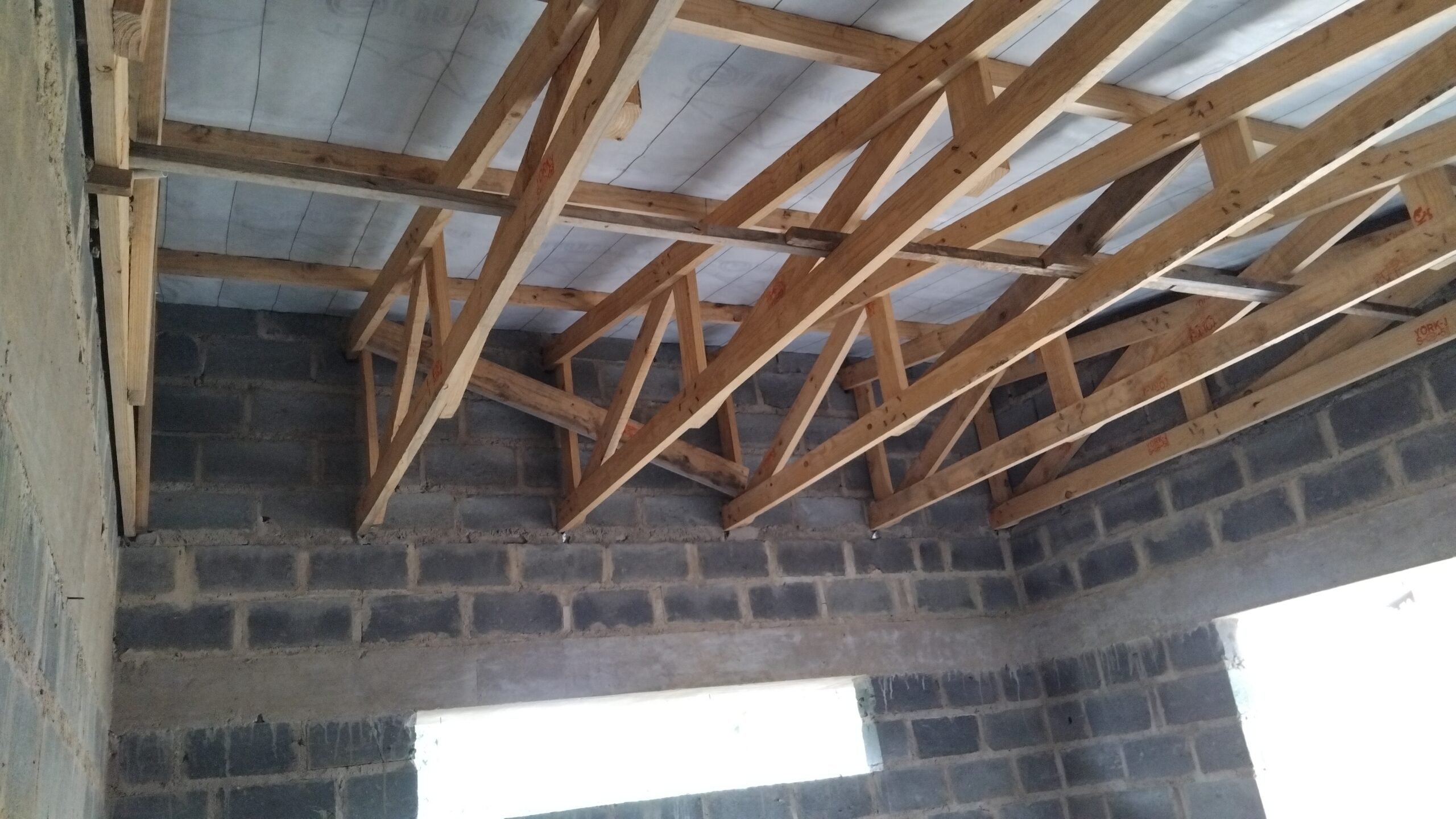
Once the walls reach the required height, the roof structure is installed. The roof protects the building from weather conditions such as rain and sunlight.
Roof construction usually includes timber trusses, roofing sheets, and waterproofing materials.
Common roofing materials used in Eswatini include:
- IBR roofing sheets
- Chromadek metal roofing
- Concrete roof tiles
Step 9: Electrical and Plumbing Installation
After the roof is completed, electricians and plumbers install the internal systems that make the house functional.
Electrical work includes wiring, switch installation, lighting points, and power outlets. Plumbing includes water supply pipes, drainage systems, and bathroom installations.
These systems must be installed carefully to meet safety standards and prevent future maintenance problems.
Step 10: Interior Finishes
The final stage of construction focuses on interior finishing. This stage transforms the structure into a comfortable living space.
Common finishing work includes:
- Plastering walls
- Floor tiling
- Painting walls
- Installing ceilings
- Kitchen and bathroom fittings
High-quality finishing improves the appearance of the house and increases its property value.
Final Inspection and Moving In
Before moving into the house, the completed building should be inspected to ensure all construction work meets safety and quality standards. Any small repairs or adjustments can be completed at this stage.
Once everything is finished, the homeowner can finally move into the new house and begin enjoying the space.
Conclusion
Building a house in Eswatini involves several important steps, from purchasing land to completing the final interior finishes. Understanding this process helps homeowners plan better, manage construction costs, and avoid unnecessary delays.
With proper planning, professional guidance, and quality construction work, building a home can be a rewarding experience that provides long-term comfort and security for families.